







Twenty One
 (No Ratings Yet)
 Loading...
GAME INFO
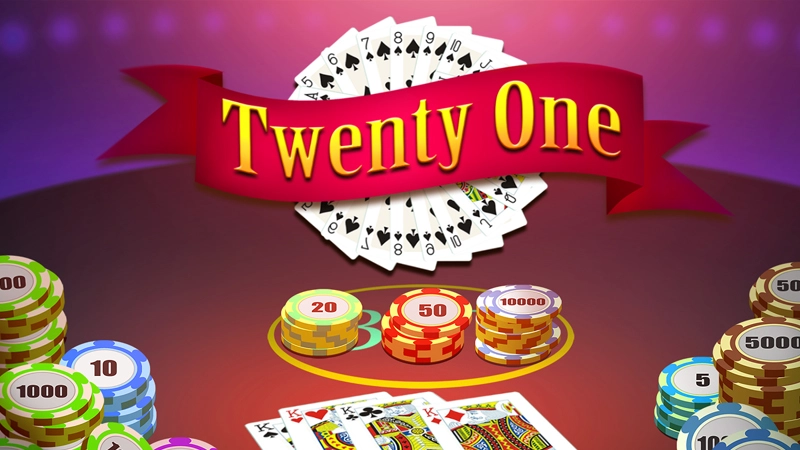
Twenty One is a timeless and thrilling card game that combines strategy, quick thinking, and a touch of luck. Known for its simple rules yet deeply engaging gameplay, Twenty One (also commonly referred to as Blackjack) has been a favorite among card game enthusiasts for centuries. Whether you’re a casual player looking for a fun way to pass the time or a competitive strategist aiming to master the game, Twenty One offers an exciting and rewarding experience for players of all skill levels.
This modern version of Twenty One brings the classic card game to life with stunning visuals, customizable features, and a variety of game modes. With its blend of strategy, risk-taking, and fast-paced action, Twenty One is the perfect game for anyone who loves cards and competition.
The Premise
The premise of Twenty One is simple yet captivating: you are dealt a hand of cards, and your goal is to get as close to a total of 21 points as possible without exceeding it. The game pits you against the dealer, and the winner is determined by who has the higher hand without going over 21. While luck plays a role in the cards you’re dealt, the real challenge lies in deciding when to take risks, when to play it safe, and how to outsmart the dealer.
Set in a vibrant casino-inspired environment, Twenty One immerses players in the excitement of the card table. Whether you’re playing for fun, competing in tournaments, or testing your skills in high-stakes games, the thrill of hitting 21 and beating the dealer is unmatched.
Gameplay Overview
Twenty One is a card game that combines elements of strategy, probability, and decision-making. The gameplay is easy to learn but offers endless depth and complexity, making it a favorite among both casual players and seasoned card game enthusiasts.
1. Core Gameplay Mechanics
At its core, Twenty One revolves around a simple set of rules that form the foundation of the game’s strategic depth.
- Card Values: Each card in the deck has a specific value:
- Number cards (2-10) are worth their face value.
- Face cards (Jack, Queen, King) are worth 10 points each.
- Aces can be worth either 1 or 11 points, depending on which value benefits the player’s hand.
- The Goal: The objective is to have a hand value as close to 21 as possible without exceeding it. If your hand exceeds 21, you "bust" and lose the round.
- The Dealer: You play against the dealer, who follows specific rules for drawing cards. The dealer must draw cards until their hand value is at least 17, but they cannot draw beyond 21.
2. Player Actions
During each round, players have several options to choose from, allowing for strategic decision-making.
- Hit: Draw another card to increase your hand value. This is a risk-reward decision, as drawing a high-value card could cause you to bust.
- Stand: Keep your current hand and end your turn. This is a safe option if you’re satisfied with your hand value.
- Double Down: Double your initial bet and receive exactly one more card. This is a high-risk, high-reward move that can pay off if you’re confident in your hand.
- Split: If your first two cards are of the same value, you can split them into two separate hands and play each hand independently. This adds complexity and increases your chances of winning.
- Surrender: Forfeit the round and lose half your bet. This is a strategic option if you believe your chances of winning are low.
3. Game Modes
To keep the gameplay fresh and exciting, Twenty One offers a variety of game modes to suit different playstyles and preferences.
- Classic Mode: Play the traditional version of Twenty One with standard rules and a single deck of cards.
- Tournament Mode: Compete against other players in multi-round tournaments to see who can earn the highest score.
- High-Stakes Mode: Test your skills in high-stakes games with larger bets and tougher competition.
- Timed Mode: Race against the clock to win as many rounds as possible within a set time limit.
- Daily Challenges: Complete unique challenges each day, such as achieving a specific hand value or winning consecutive rounds, to earn rewards and climb the leaderboards.
4. Strategy and Decision-Making
Twenty One is a game of strategy and probability, requiring players to make quick decisions based on the cards in their hand, the dealer’s visible card, and the odds of drawing specific cards.
- Card Counting: Advanced players can use card counting techniques to track which cards have been played and estimate the likelihood of drawing certain cards. This adds a layer of strategy and skill to the game.
- Risk Management: Deciding when to take risks and when to play it safe is a key aspect of Twenty One. Players must weigh the potential rewards of drawing another card against the risk of busting.
- Dealer Behavior: Understanding the dealer’s rules for drawing cards can help players anticipate their moves and adjust their strategy accordingly.
5. Visuals and Themes
The visuals of Twenty One are designed to create an immersive and engaging experience, with a variety of themes and styles to choose from.
- Casino Atmosphere: Play in a virtual casino with realistic card tables, chips, and ambient sounds that capture the excitement of a real-life card game.
- Customizable Tables: Personalize your gaming experience with different table designs, card backs, and chip styles. Choose from classic, modern, or themed options to suit your preferences.
- Dynamic Animations: Enjoy smooth and visually appealing animations that bring the game to life, from the shuffle of the cards to the placement of bets.
6. Accessibility and Replayability
Twenty One is designed to be accessible and replayable, ensuring that players of all skill levels can enjoy the game.
- Accessibility Features: The game includes options such as adjustable font sizes, colorblind-friendly designs, and customizable controls to accommodate a wide range of players.
- Replayability: With multiple game modes, daily challenges, and endless strategic possibilities, Twenty One offers virtually unlimited replayability. Players can return to the game again and again to improve their skills, complete achievements, and discover new strategies.
7. Progression and Achievements
To keep players motivated and engaged, Twenty One features a robust progression system with plenty of rewards and achievements.
- Level System: Earn experience points by winning rounds and completing challenges to level up and unlock new content, such as table designs, card backs, and game modes.
- Achievements: Unlock achievements for reaching milestones, such as winning a certain number of rounds, achieving a perfect 21, or mastering specific strategies.
- Leaderboards: Compete against other players to achieve the highest scores and climb the global leaderboards.
8. Educational Benefits
In addition to being a fun and engaging game, Twenty One offers several educational benefits.
- Math Skills: The game helps players improve their math skills by requiring quick calculations of hand values and probabilities.
- Critical Thinking: Players develop critical thinking skills by analyzing their options and making strategic decisions.
- Risk Assessment: The game teaches players how to assess risks and rewards, a valuable skill in both gaming and real-life situations.
Conclusion
Twenty One is a timeless and thrilling card game that combines strategy, luck, and quick thinking to create an unforgettable experience. Whether you’re hitting 21 in Classic Mode, competing in high-stakes tournaments, or mastering advanced strategies, the game offers endless opportunities for fun and excitement. With its engaging gameplay, immersive visuals, and variety of features, Twenty One is the perfect way to test your skills, challenge your mind, and enjoy the thrill of the card table. Step into the world of Twenty One, place your bets, and see if you have what it takes to beat the dealer!